The Food We Eat · Part I
What Are We Feeding Our Kids?
A closer look at digestive symptoms, ultra-processed foods, food additives, the microbiome—and what the evidence actually says.

Walk through almost any grocery store with a child and pay attention to what is competing for their attention.
Bright cereal boxes. Neon drinks. Fruit snacks shaped like characters. Yogurt tubes. Cheese crackers. Cookies packaged for lunchboxes. Frozen breakfasts. Chicken nuggets. Snack bars. “Zero sugar” treats.
None of those foods, by themselves, tells us whether a child will be healthy or unhealthy. And this is not another article telling parents that everything in the grocery store is poison.
But there is a number worth stopping for.
American youth ages 1–18 received an average of 61.9% of their calories from ultra-processed foods during August 2021 through August 2023.
That is the latest estimate from the National Center for Health Statistics. Among adults, the share was 53%. CDC / NCHS data brief
Ultra-processed food is not sitting at the edge of the modern childhood diet. For many children, it is the diet.
So the useful question is not “Which ingredient is poisoning our kids?” The better question is: what happens when highly formulated foods become the foundation of a developing child’s diet—and what does the evidence actually tell us?
Children aren’t just small adults
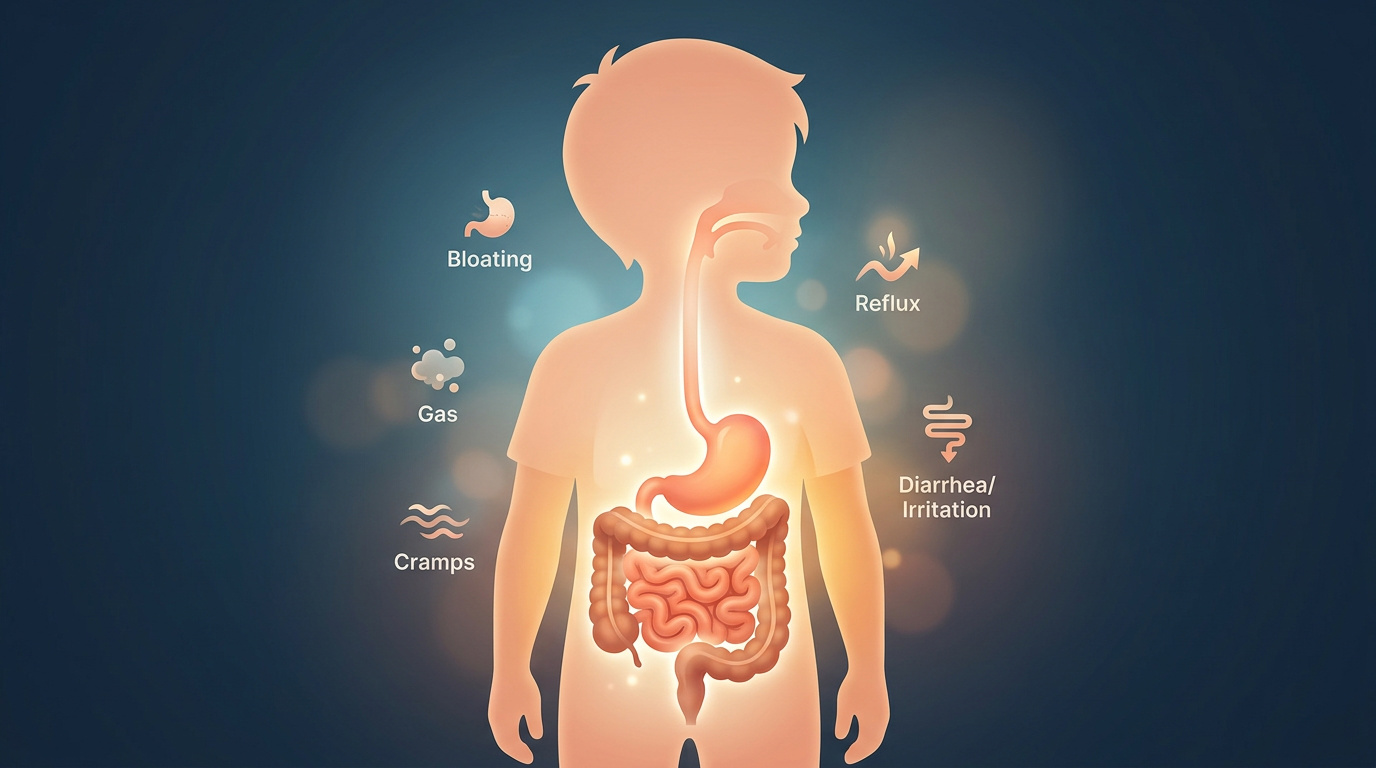
Childhood is a period of enormous biological change. Bones are growing. Hormonal systems are developing. Eating behaviors are being learned. Nutritional requirements change as a child grows. The digestive system also contains an extraordinarily complicated ecosystem that scientists are still working to understand: the gut microbiome.
The American Academy of Pediatrics has also noted that children can receive greater exposure to some food-related chemicals relative to body weight while organ and metabolic systems are still developing. American Academy of Pediatrics
That does not mean children cannot safely eat processed foods. It means childhood deserves special attention when researchers examine diet and environmental exposures.
Strong evidence
Overall diet quality during childhood matters for growth, nutrient intake and long-term health.
Moderate evidence
Dietary patterns during childhood can influence metabolic risk and eating behavior later in life.
Emerging evidence
Specific food additives may alter an individual child’s microbiome in ways that contribute directly to disease.
First, separate a stomachache from a disease
If a child eats something and experiences gas, bloating, diarrhea, constipation, reflux, abdominal discomfort or nausea, that does not automatically mean the food is damaging the intestine or causing chronic disease.
Lactose
For someone with lactose intolerance, the small intestine does not make enough lactase to fully digest lactose. Undigested lactose reaches the colon, where bacteria break it down and produce fluid and gas. The result can include bloating, gas, abdominal pain, nausea and diarrhea. NIDDK also notes that many people with lactose intolerance can tolerate some lactose.NIDDK: lactose intolerance
Strong evidence
Lactose can cause gastrointestinal symptoms in people who do not digest it well. Lactose itself is not a “toxin.”
Sugar-free doesn’t automatically mean stomach-friendly
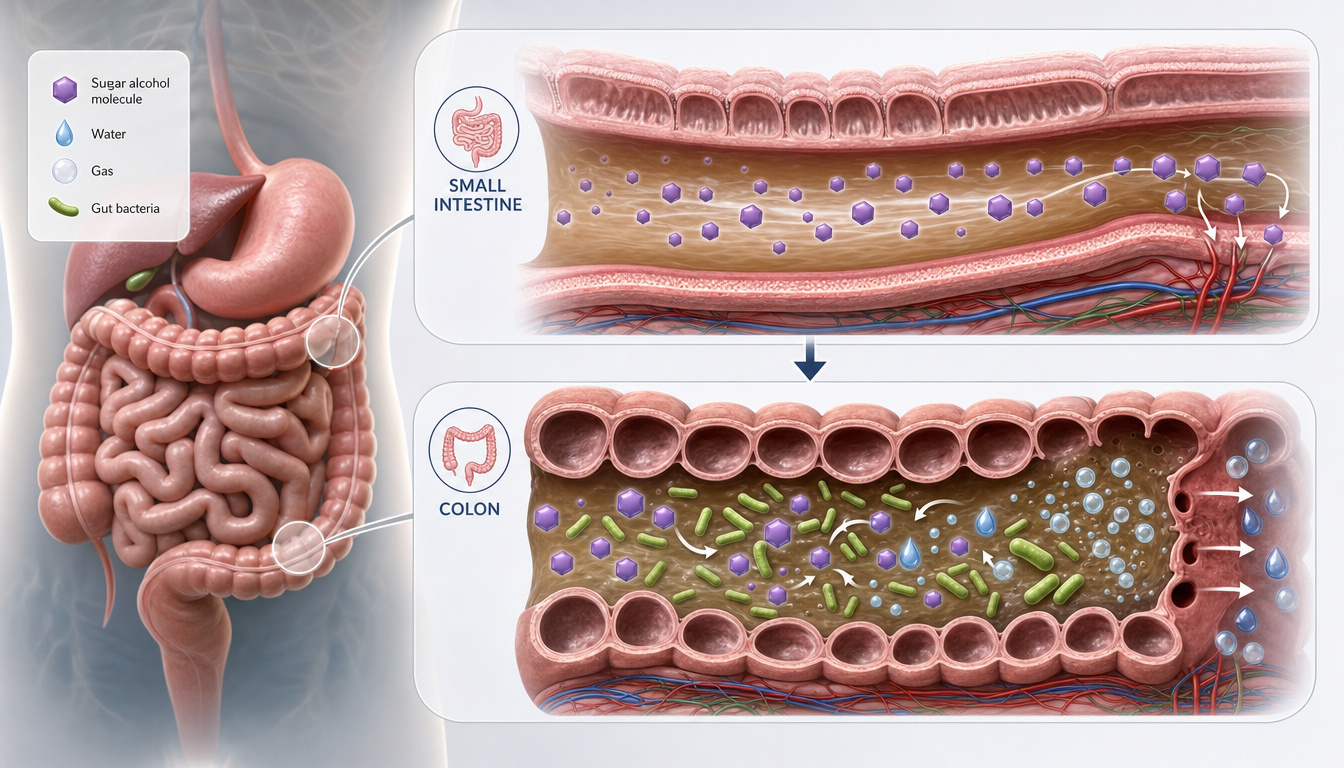
“Zero sugar” can sound like the obvious better choice. Turn the package around, though, and you may find ingredients such as sorbitol, mannitol, maltitol, xylitol, erythritol or isomalt. These are sugar alcohols.
Some sugar alcohols are absorbed slowly or incompletely in the small intestine. For certain people—especially at larger amounts—the result can be gas, bloating, cramping or diarrhea. FDA consumer guidance specifically notes that sugar alcohols can produce gastrointestinal symptoms in some people. FDA: sugar alcohols
Strong evidence
Certain poorly absorbed carbohydrates can produce gastrointestinal symptoms.
Not supported evidence
Those symptoms, by themselves, do not prove that a sugar alcohol caused chronic intestinal disease.
Then there is the modern packaged-food formula

Pick up an ordinary packaged snack and you may encounter some combination of refined flour or starch, added sugar, oils, salt, emulsifiers, gums, colors, flavors, preservatives, modified starches and sweeteners.
Seeing a long ingredient list does not automatically make a product dangerous. An unfamiliar chemical name is not evidence of toxicity. The question researchers are increasingly examining is different: what happens when foods engineered around these formulations make up most of a person’s diet?
What exactly is an ultra-processed food?
Not all processing is bad. Cooking is processing. Freezing vegetables is processing. Pasteurizing milk is processing. Grinding oats is processing. Canning beans is processing. Fermenting yogurt is processing.
The NOVA classification generally uses “ultra-processed” for industrial formulations built largely from refined components plus combinations of flavors, colors, emulsifiers and other additives. That can include some packaged snacks, sweet baked goods, soft drinks, instant meals, sweetened cereals and processed meat products.
But the category has limits. Two foods labeled ultra-processed can have very different nutritional profiles. A high-fiber packaged bread and a candy bar can occupy the same broad processing category while providing very different nutrition.
“Ultra-processed” should not replace reading the Nutrition Facts panel and ingredient list.
What does this look like on a real breakfast table?
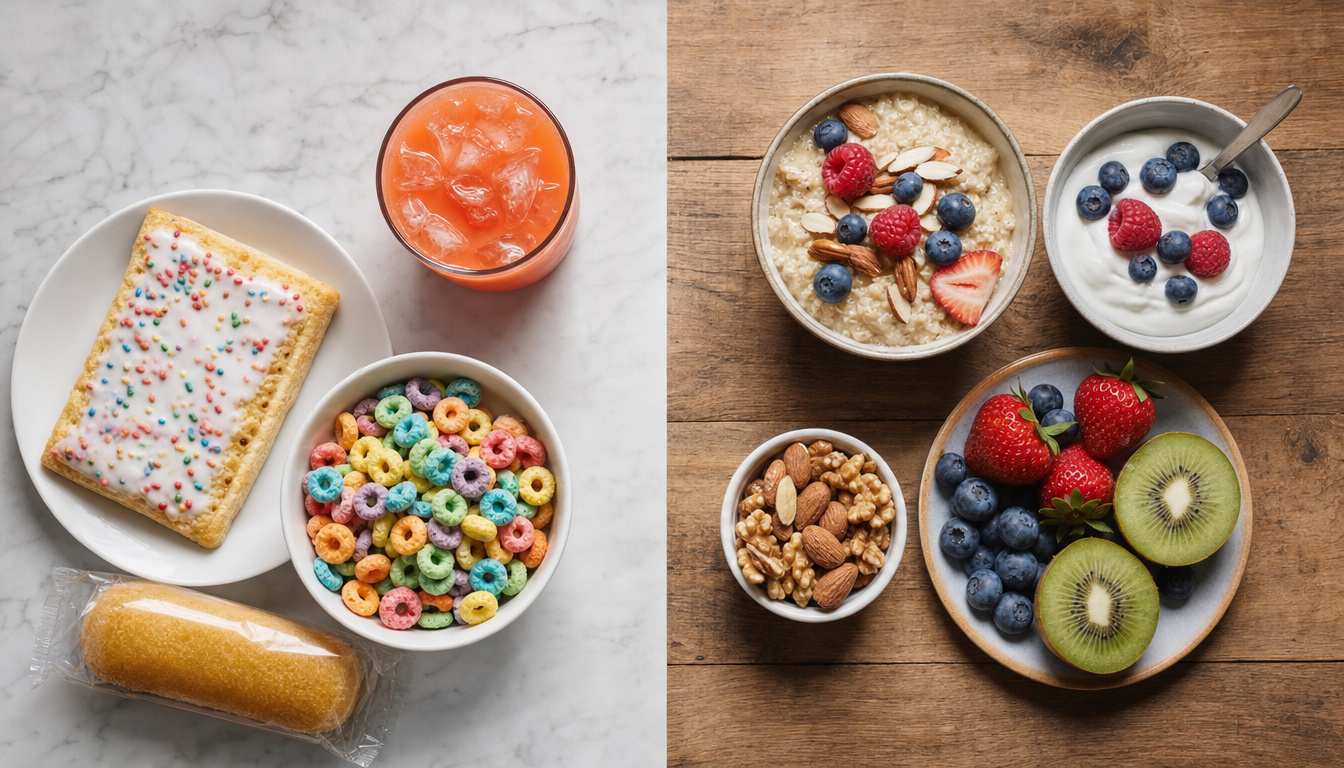
Consider breakfast cereal. Kellogg’s current SmartLabel information for an individual serving of Froot Loops lists 7 grams of total sugar, including 6 grams of added sugar, in a 21-gram serving. The ingredient list begins with a corn-flour blend followed by sugar, wheat flour and whole-grain oat flour. Kellogg’s SmartLabel
Does that mean Froot Loops causes gastrointestinal disease? No. That would be an unsupported conclusion.
Chef Gringo label check
- How much added sugar is there?
- How much fiber?
- How much protein?
- How large is the portion actually being eaten?
- What accompanies it?
- What food did it replace?
That last question may be the most important one.
Ultra-processed food and long-term health
A major 2024 umbrella review in The BMJ examined 45 pooled analyses representing nearly 9.9 million participants. Greater exposure to ultra-processed foods was associated with higher risk across numerous health outcomes, including type 2 diabetes, cardiovascular outcomes, obesity and mortality. BMJ umbrella review
That sounds alarming, but here is the part that should sit beside every headline quoting the research: most of the evidence is observational.
Observational research can identify important associations, but it does not automatically prove causation. People consuming large amounts of ultra-processed foods may also differ in physical activity, sleep, smoking, healthcare access, income, calorie intake, total diet quality and other factors.
Strong evidence
High consumption of ultra-processed foods is consistently associated with several poorer health outcomes.
Moderate evidence
Ultra-processed dietary patterns probably contribute to at least some of those outcomes.
Emerging evidence
Researchers are still separating the effects of processing, food texture, energy density, additives and displacement of healthier foods.
We do have one important controlled experiment
In a tightly controlled NIH study, 20 adults stayed at the NIH Clinical Center and received either an ultra-processed or minimally processed diet for two weeks before switching to the other. Participants could eat as much or as little as they wanted.
On the ultra-processed diet, participants consumed roughly 500 additional calories per day and gained weight. On the minimally processed diet, they ate less and lost weight.NIH randomized controlled trial
That experiment matters because it demonstrates that food formulation can affect intake under controlled conditions. But it involved only 20 adults, lasted weeks rather than years and was not a childhood study. It cannot tell us which characteristic of the ultra-processed diet caused the difference.
What about emulsifiers, colors and sweeteners?
Laboratory and animal research has given scientists legitimate reasons to investigate several classes of additives. Researchers have examined whether some emulsifiers, sweeteners, colors and other ingredients can influence gut bacteria, mucus layers, intestinal permeability or inflammation.
A 2024 review in Nature Reviews Gastroenterology & Hepatology concluded that evidence connecting ultra-processed diets with gut disease is growing, while also emphasizing that much of the evidence involving individual additives and intestinal mechanisms still comes from preclinical research. Human intervention studies remain comparatively limited.Nature Reviews Gastroenterology & Hepatology
Emerging evidence
Some additives can alter gut-related biological processes under experimental conditions.
Not supported evidence
That does not establish that ordinary exposure to a particular additive in a specific packaged food causes gastrointestinal disease in a particular child.
The microbiome changes the conversation
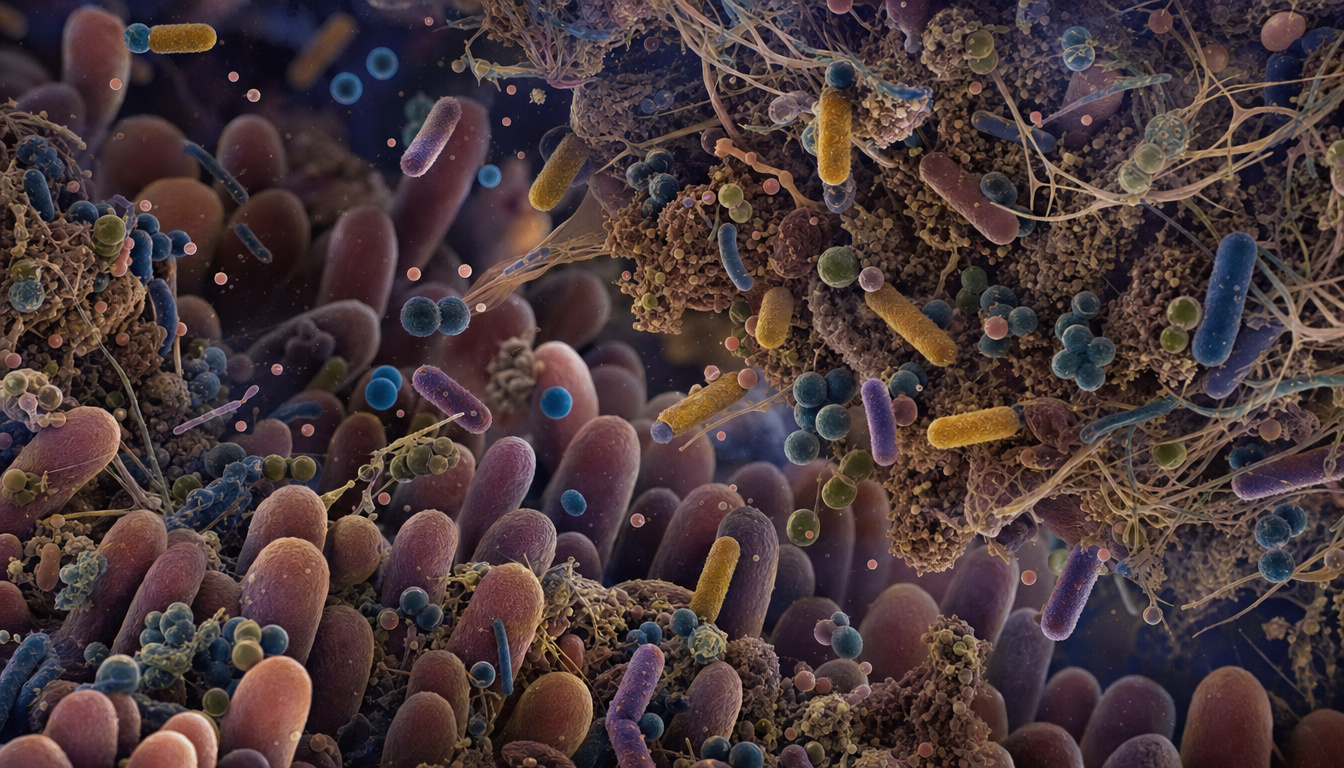
Inside the digestive tract is an enormous community of microorganisms. They participate in digestion, fermentation of dietary fiber, metabolite production, immune signaling and intestinal-barrier function. Diet clearly influences this ecosystem.
That has created enormous excitement—and enormous exaggeration.
The important word is may. A dietary exposure may alter microbial communities. That change may influence metabolic or immune pathways. Those mechanisms may eventually help explain differences in disease risk.
That is very different from saying scientists have proved that one packaged-food ingredient “destroys a child’s gut.” They have not.
Symptoms are not the same thing as disease
A person can experience bloating, gas, diarrhea, constipation, cramping or reflux without having chronic gastrointestinal disease. Persistent symptoms also should not automatically be blamed on additives.
Conditions such as celiac disease, inflammatory bowel disease, bacterial overgrowth, constipation and lactose intolerance can produce overlapping symptoms. Persistent or concerning symptoms deserve medical evaluation—not an Instagram diagnosis.NIDDK diagnostic guidance
Maybe we’ve been asking the wrong question
Modern nutrition debate often revolves around finding the bad ingredient: sugar, dyes, emulsifiers, preservatives, artificial sweeteners, gluten, seed oils or high-fructose corn syrup. One villain is chosen and suddenly an extraordinarily complicated food system has an easy explanation.
Human nutrition does not work that way.
What if one of the biggest problems is not only what is being added—but what is disappearing?
Every time a child’s diet is dominated by packaged foods, there is an opportunity cost. Something else may not be getting eaten: beans, lentils, vegetables, fruit, whole grains, nuts, seeds, minimally processed proteins and foods naturally rich in fiber.
The modern diet therefore presents two different questions: what are we consuming more of, and what are we consuming less of?
What does this mean over a lifetime?
You cannot look at a child’s snack and predict whether that child will eventually develop obesity, diabetes, inflammatory bowel disease or cancer. Human disease is influenced by genetics, environment, infection, physical activity, socioeconomic conditions, total diet and many other factors.
But dietary patterns accumulate.
A breakfast becomes a routine. A lunchbox becomes a habit. A snack becomes an expectation. Taste preferences develop. Foods become familiar. Repeated choices eventually form a diet.
So the long-term concern is not that one bowl of cereal permanently damages a child. The concern is what happens when a pattern dominated by highly formulated foods continues day after day, year after year.
Don’t panic. Improve the pattern.
Parents do not need another source of guilt. Most families are navigating some combination of work, school, childcare, food prices, picky eating, limited time, sports, exhaustion and convenience. Packaged food exists partly because it solves real problems.
Perfection is not required. A child eating crackers is not nutritional failure. Neither is cereal for breakfast or pizza on Friday night.
The better objective is to zoom out and ask what foods dominate the week.
So what should we feed the gut?
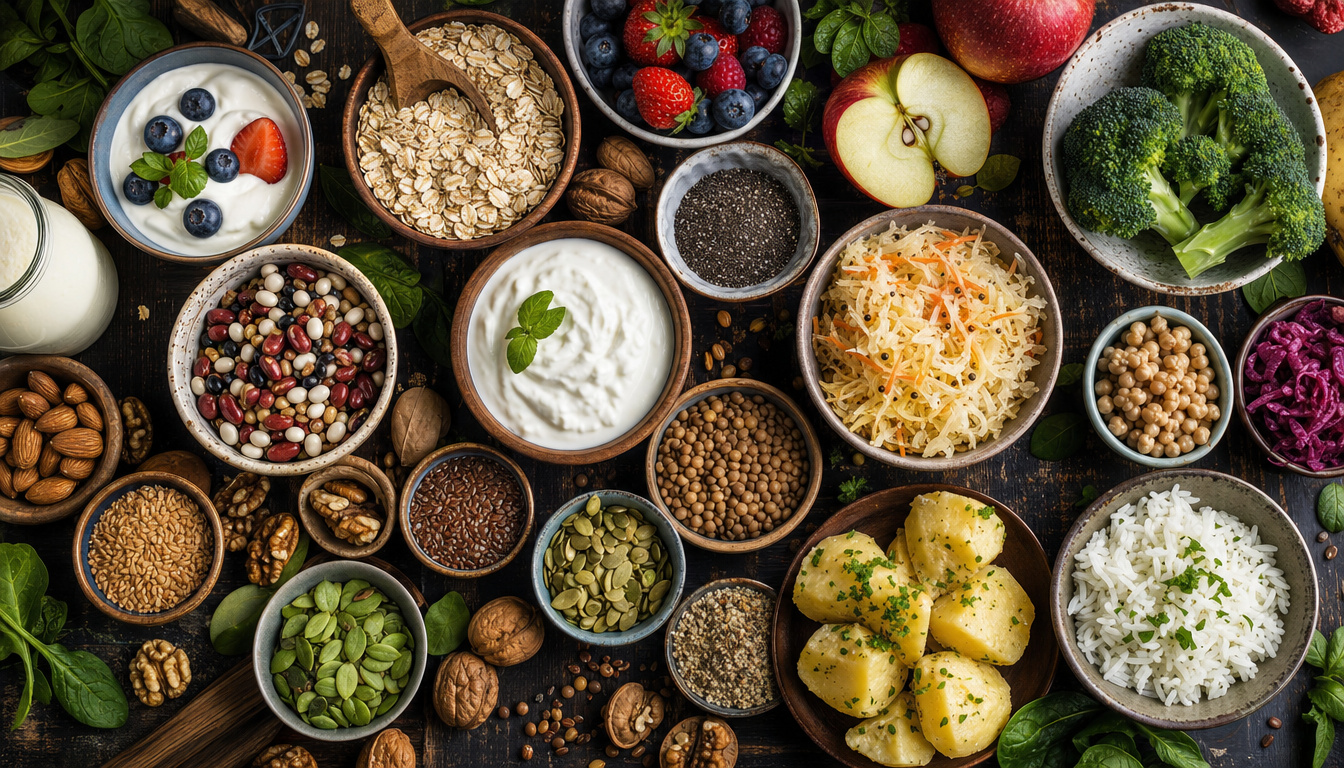
After examining what might work against digestive health, the more useful question is what may actually support it.
- Beans and lentils
- Oats and other whole grains
- Berries
- Apples and other fiber-rich fruits
- Leafy and cruciferous vegetables
- Onions, garlic and other prebiotic-rich plants
- Nuts and seeds
- Plain yogurt with live cultures
- Kefir and selected fermented foods
- A diverse range of minimally processed plant foods
Even that list needs context. Not every fermented food contains living microorganisms when you eat it. More fiber is not automatically better for every digestive condition. “Probiotic” on a label does not prove a meaningful health benefit.
Chef Gringo Evidence Standard
How we label health claims
- Strong
- Consistent support from high-quality human research, major systematic reviews or established medical evidence.
- Moderate
- Meaningful human evidence exists, but important questions about causality, magnitude or population differences remain.
- Emerging
- Early human, observational, mechanistic, laboratory or animal evidence warrants attention but does not establish the claim.
- Not supported
- The available evidence does not currently justify the stronger claim being made.
Chef Gringo provides educational information and does not diagnose or treat medical conditions. Persistent or concerning gastrointestinal symptoms in a child should be discussed with a qualified healthcare professional.